FROM ANCIENT HEALING TO A GLOBAL WELLBEING EPICENTERthe-rise-of-wellness-tourism-in-indonesia.png125.88 KBBali’s evolution from a tropical backpacker haven to a preeminent global wellness epicenter is a profound narrative of cultural resilience, strategic adaptation, and deep-seated human yearning for connection and restoration. The island’s journey in wellness tourism bali is not merely a market trend but a full-scale renaissance of its intrinsic spiritual and healing heritage, now articulated in a language the modern world understands and desperately seeks. This transformation encapsulates every facet of the spa and wellness bali scene, from rustic village balian (healer) consultations to billion-rupiah integrated wellness resorts. It responds directly to the latest wellness travel trends, positioning Bali not as a passive destination, but as an active, immersive partner in holistic travel bali. The result is the singular and transformative bali wellness experience, a multi-layered journey that has firmly established the Island of the Gods as a non-negotiable pin on the world wellness map. This rise is a complex interplay of ancient tradition meeting global demand, creating an ecosystem that is both economically vital and culturally significant.
Part 1: The Bedrock - Bali's Inherent Wellness Philosophy
To understand the present, one must first honor the past. Wellness in Bali is not an imported industry; it is the native operating system. This foundation is critical for any genuine bali wellness experience. The island’s predominant Hindu-Balinese culture is permeated by the philosophy of Tri Hita Karana, a Sanskrit concept meaning "three causes of well-being." This principle mandates a harmonious relationship between:
Parhyangan: Harmony with the Divine/Spiritual Realm.
Pawongan: Harmony among People/Community.
Palemahan: Harmony with Nature and the Environment.
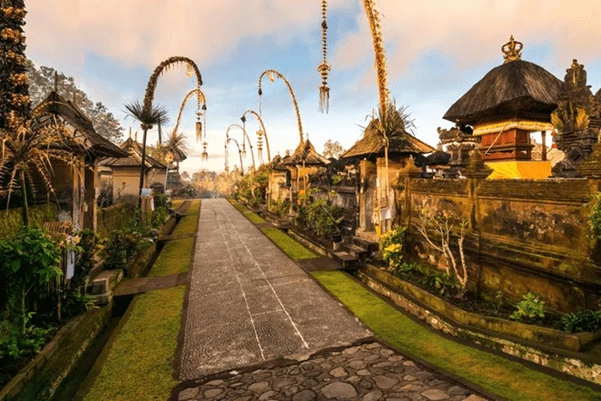
This triad is not abstract; it is practiced daily. It is visible in the intricate canang sari (daily offerings) placed at doorsteps, temples, and even on dashboards. It structures the democratic, water-sharing Subak agricultural system, recognized as a UNESCO World Heritage Site, which ensures both ecological balance and social cohesion. It governs village life through adat (customary law). For the visitor, this means wellness is not confined to a treatment room; it is the very atmosphere. The air feels different because of this pervasive intentionality. This philosophical bedrock gives all subsequent wellness offerings an authenticity that manufactured destinations cannot replicate. When a guest participates in a purification ceremony at a water temple, they are not just attending a tourist activity; they are engaging with a centuries-old ritual designed to restore Parhyangan. This deep cultural syntax is what elevates Bali’s offering beyond standard spa and wellness bali services into the realm of holistic travel bali.
Part 2: The Evolution - From Basic Spas to Holistic Sanctuaries
The modern wellness tourism bali industry grew organically from this fertile ground. Its evolution can be traced through distinct phases:
The 1990s - The Beauty Spa Genesis: Initially, wellness for tourists meant pampering. Luxury hotels introduced Western-style spas offering massages, facials, and body scrubs. However, even then, a local twist emerged. Traditional ingredients like turmeric (kunyit), coconut, frangipani (kamboja), and native clays were incorporated, planting the seed for a uniquely Balinese product.
The 2000s - The Yoga and Detox Boom: The global rise of yoga and detox culture found a perfect home in Ubud. Pioneering centers like The Yoga Barn (2007) transformed from a single studio into a sprawling wellness village, offering multiple yoga styles, meditation, and raw food cafes. This era saw the arrival of dedicated wellness retreats focused on colon cleanses, juice fasts, and Vipassana meditation, attracting a global audience seeking transformation rather than just relaxation. This period marked Bali’s decisive shift into holistic travel bali, addressing mind and spirit alongside the body.
The 2010s - The Era of Integrated Luxury Wellness: Capitalizing on this reputation, high-end, purpose-built wellness resorts emerged. Fivelements Retreat Bali (2010), co-founded by Indonesian entrepreneur Lahra and her partner, set a new standard. It wasn’t a hotel with a spa; it was a sanctuary built around the "Sacred Arts" of Bali, offering immersive healing programs that included consultations with balian, sacred dance, and ritualistic ceremonies alongside gourmet plant-based cuisine. Similarly, REVĪVŌ Wellness Resorts (2015) in Nusa Dua brought a more clinical, results-oriented approach, blending naturopathy, advanced diagnostics, and fitness with Balinese warmth. This phase professionalized the sector, attracting investment and catering to a high-net-worth demographic, solidifying Bali’s claim as a top-tier wellness destination.
The 2020s (Post-Pandemic) - Hyper-Personalization and Longevity: The COVID-19 pandemic acted as a massive accelerator for wellness travel trends, with Bali poised to benefit. The focus has sharpened on longevity, immune resilience, and mental health. The current trend is hyper-personalized wellness. This is no longer about generic packages but about data-driven, tailored programs. Clinics now offer comprehensive blood work, genetic testing, IV nutrient therapy, and cryotherapy alongside traditional healing. The bali wellness experience today might involve wearing a continuous glucose monitor for a week, having your microbiome analyzed, and receiving a personalized regimen of supplements, hyperbaric oxygen sessions, and specific types of yoga or meditation, all while being immersed in Balinese nature. This represents the ultimate fusion of cutting-edge science and ancient wisdom.
Part 3: Deconstructing the Modern "Spa and Wellness Bali" Landscape
Today’s landscape is richly layered, offering a continuum of experiences that cater to every preference and budget.
The Luxury Integrated Resort: These are destinations in themselves. Ayurveda Paradise at REVĪVŌ or The Chakra Suite at Fivelements represent the apex. Guests stay for a week or more, following a meticulously scheduled program that includes medical consultations, daily treatments (from Ayurvedic shirodhara to Balinese urut), fitness, meditation, and nutritionally calibrated meals. The environment is controlled, serene, and designed for deep disconnection from daily stress.
The Boutique Healing Retreat: Often found in Ubud, Sidemen, or the outskirts of Canggu, these are more intimate, sometimes family-run operations. Places like Ubud Wellness Retreat or Rama Gardens focus on specific modalities—perhaps yoga teacher training, silent meditation, or trauma release workshops. The atmosphere is more communal and less clinical, often with a strong emphasis on organic gardening and simple, rustic luxury.
The A-La-Carte Wellness Hub: For those not on a dedicated retreat, Bali’s ecosystem supports a bespoke wellness journey. One can stay in a private villa and curate a daily schedule: a 6:00 AM Ashtanga class at The Practice in Canggu, followed by an acupuncture session at Taksu Healing in Ubud, a cold plunge at a boutique gym, an afternoon of sound healing with Tibetan singing bowls, and a sunset Melukat (water purification) ceremony at a local temple. This model leverages Bali’s dense concentration of world-class practitioners and facilities, allowing for a personalized holistic travel bali itinerary.
The Community & Festival Model: Bali’s wellness culture is also event-driven. Annual gatherings like the BaliSpirit Festival or Ubud Writers & Readers Festival (with strong wellness components) draw thousands. These events create temporary, powerful communities centered on wellbeing, yoga, music, and personal growth, amplifying the island’s energy and connecting the global wellness tribe. The Rise Of Wellness Tourism In Bali - description.png98.3 KB
Part 4: Synergy with Global Wellness Travel Trends
Bali’s success is inextricably linked to its ability to not just follow but often anticipate and shape global wellness travel trends. The Global Wellness Institute (GWI), a leading research organization, consistently identifies trends that align perfectly with Bali’s offerings:
Wellness Tourism 3.0 - The Pursuit of Meaning: Moving beyond passive relaxation (1.0) and active fitness (2.0), today’s traveler seeks transformation and purpose. Bali excels here by offering access to authentic spiritual practices and community immersion. The trend of "wellness sabbaticals" or long-term stays for deep healing is thriving in Bali, facilitated by digital nomad visas and the island’s lifestyle infrastructure.
The Rise of Traditional & Indigenous Wellness: As noted in the GWI’s 2023 report "The Future of Wellness," there is a growing demand for authentic, culturally rooted healing practices. Bali is a textbook example. The respectful incorporation of balian healers, Jamu (herbal medicine) ceremonies, and village-based rituals directly caters to this trend, offering something no Western spa can duplicate.
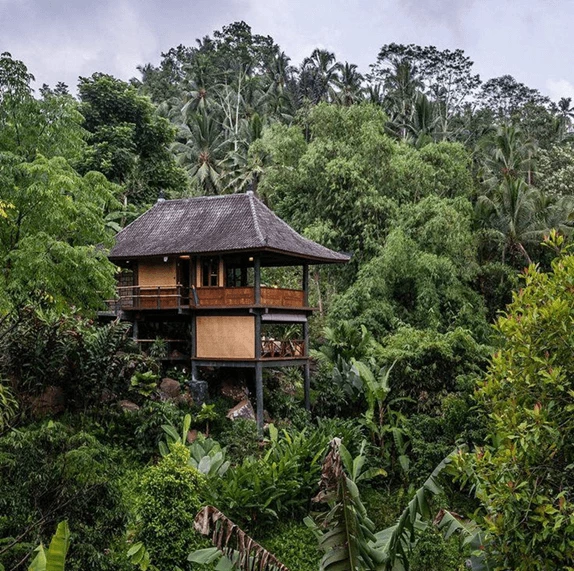
Nature Immersion as Therapy: The trends of forest bathing (shinrin-yoku), ecotherapy, and "blue space" healing (near water) are innate to the bali wellness experience. Whether it’s meditating in a jungle gorge, practicing yoga overlooking the ocean, or sleeping in a bamboo treehouse, Bali’s stunning natural environment is the primary therapeutic tool.
Plant-Based & Functional Nutrition: Bali has been at the forefront of the global plant-based and clean-food movement. Restaurants like Kynd Community and Zest are institutions. This aligns perfectly with the wellness travel trend where nutrition is central to the healing journey, moving from diet to "food-as-medicine."
Mental Wellness & Digital Detox: In response to global burnout and digital overload, Bali offers abundant digital detox retreats and mental wellness programs. The simple act of being in an environment where the pace is slower, the smiles are genuine, and the connection to nature is constant is profoundly therapeutic.
Part 5: The Quintessential "Bali Wellness Experience" - A Tapestry of Sensations
So, what does a truly immersive bali wellness experience look and feel like? It is a multi-sensory tapestry:
The Taste: It begins on the palate. It’s the fiery cleanse of a morning shot of Jamu—a tonic of turmeric, ginger, tamarind, and honey. It’s the vibrant, colorful plates of dragon fruit, papaya, and coconut from a warung. It’s the meticulously crafted, plant-based tasting menu at a wellness resort that nourishes at a cellular level.
The Touch: This is the heart of the spa and wellness bali offering. It’s the strong, rhythmic pressure of a traditional Balinese urut massage, designed to release wind and improve circulation. It’s the gentle, exfoliating caress of a Lulur body scrub with ground rice and spices, leaving the skin polished and fragrant. It’s the warm, steady stream of oil in an Ayurvedic Shirodhara treatment, calming the nervous system.
The Sound: The soundtrack of healing is the rhythmic chorus of cicadas in the jungle, the distant, melodic gong of a temple ceremony, the guided meditation in a softly accented voice, or the resonant vibrations of a didgeridoo or singing bowl in a sound healing session, felt in the bones as much as heard.
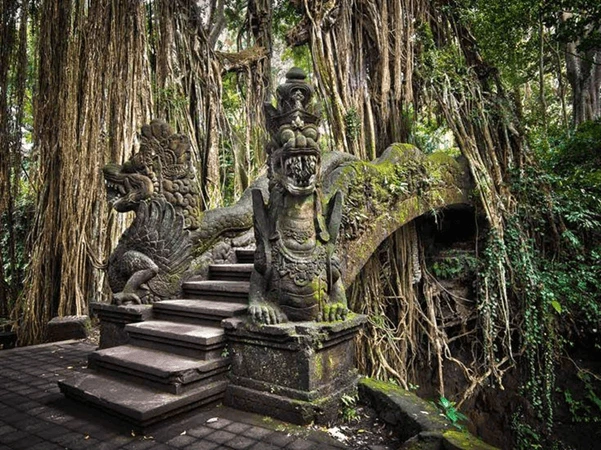
The Sight: Visual therapy comes from the endless green of rice terraces sculpted into hillsides, the vibrant hues of ceremonial fabrics, the intricate stone carvings of temples, and the awe-inspiring view from a cliff-top shala at sunrise.
The Ritual: The most powerful component is participation. It is the introspective silence during a Nyepi (Day of Silence). It is the humility of standing under a sacred waterfall during a Melukat ceremony, guided by a priest who chants mantras for purification. It is the focus required to weave a canang sari offering, understanding the symbolism of each element.
Part 6: Challenges and the Sustainable Path Forward
The very success of wellness tourism bali presents its greatest challenge: sustainability. The influx of visitors strains local resources—water, waste management, land use. The commodification of sacred rituals risks diluting their meaning. The key to Bali’s future as a wellness leader lies in its commitment to holistic travel bali in the truest sense, which must include the wellbeing of the island itself and its people.
Environmental Stewardship: Leading wellness centers are now pioneers in sustainability. They utilize bamboo architecture, solar power, rainwater harvesting, and zero-waste policies. They source food from their own permaculture gardens or local farmer cooperatives, reducing food miles and supporting the Palemahan (harmony with nature) principle.
Cultural Integrity and Equity: The most ethical operators ensure that traditional healers are respected partners, not employees. They facilitate cultural education for guests, fostering respect over appropriation. They invest in the local community through employment, training, and supporting local schools and infrastructure, honoring Pawongan (harmony among people).
Quality over Quantity: The future points towards a higher-value, lower-volume model. The recent introduction of a tourist tax and discussions about visitor caps align with this. The market will likely continue to move upscale, catering to travelers seeking deeper, longer, and more meaningful engagements, which in turn generates greater economic benefit per visitor with a lower physical footprint.
Conclusion: The Unassailable Allure
The rise of wellness tourism in Bali is a story of an island sharing its greatest gift with the world: a profound understanding of holistic balance. It has successfully packaged its ancient, spiritually-charged approach to well-being into a format that addresses the acute anxieties and aspirations of modern life. By seamlessly blending the timeless wisdom of Tri Hita Karana with the most advanced wellness travel trends, Bali has crafted an irresistible and deeply effective proposition. The bali wellness experience is more than a vacation; it is an education in living better. It teaches visitors to slow down, to listen—to their bodies, to nature, and to their own spirit. It offers not just a temporary reset but a lasting perspective. As long as the human quest for meaning, connection, and vitality continues, and as long as Bali navigates its growth with wisdom and respect for its own sacred foundations, the Island of the Gods will remain not just a participant in the global wellness movement, but one of its most luminous and essential guiding lights.
Related Tags :
wellness tourism bali, spa and wellness bali, holistic travel bali, wellness travel trends, bali wellness experience