emporing-nature-based-destinations-in-bali.png224.05 KB To travel to Bali and only know its bustling southern beaches and vibrant nightlife is to merely scratch the surface of a profound and ancient story. Beyond the familiar postcard lies a different island—one where the true magic isn’t manufactured, but grows, flows, and flourishes with an untamed spirit. This is the Bali of mist-wrapped volcanoes, of whispering bamboo forests, of cascading waterfalls hidden in jungle clefts, and of coral reefs teeming with life. It is the ultimate nature destination bali, a claim not made lightly but earned through an extraordinary convergence of geology, ecology, and a culture that reveres the natural world as divine. This exploration is not just about visiting scenic spots; it is an invitation to understand and participate in a more meaningful model of travel. It is the core of genuine eco tourism bali, which seeks to protect and celebrate these very places. It is the pursuit of Bali as a green destination bali, not as a marketing slogan but as a living, breathing—and often struggling—reality. Our journey will lead us to the most awe-inspiring nature inspired places bali, from mountain peaks to ocean depths, all while framing our discovery within the crucial, actionable context of sustainable travel bali. This is a guide to finding Bali’s soul, which has always been, and will always be, rooted in its land and sea.
The Foundation: A Culture Woven from Nature
You cannot separate Balinese culture from its natural environment. This is the first and most important lesson for any traveler seeking the island’s green heart. The Hindu-Balinese philosophy of Tri Hita Karana—harmony with God, people, and nature—isn’t abstract; it’s a daily manual for living. Nature is not a resource to be exploited, but a sacred companion, a physical manifestation of the divine.
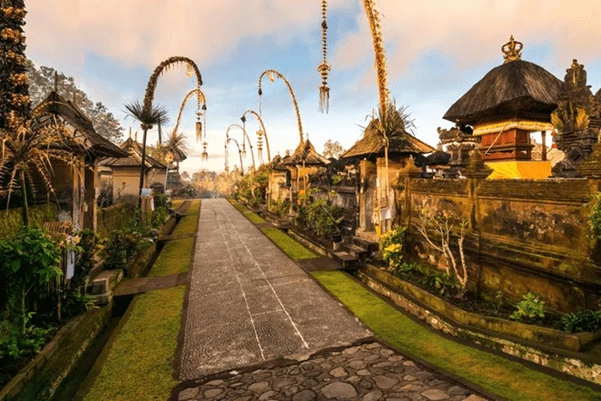
This worldview manifests everywhere. The island is dotted with "Kayangan"—sacred forests protected by temple complexes, like the Monkey Forest in Ubud, which is as much a spiritual sanctuary as a natural one. Mountains are the abodes of gods (Gunung Agung is the most sacred); lakes are revered; and specific trees are considered dwelling places for spirits. The famed Subak system, a UNESCO World Heritage cultural landscape, is perhaps the most elegant expression of this harmony. This centuries-old, democratic cooperative water management system for rice terraces intricately links spiritual belief, community cooperation, and ecological engineering. To stand in the breathtaking terraces of Jatiluwih or Tegallalang is to witness a masterpiece of both natural beauty and human ingenuity working with the land, not against it. This cultural bedrock is what makes Bali a truly unique green destination; environmental respect is encoded in its very DNA, offering a foundational ethos for the modern eco tourism movement.
Chapter 1: The Highland Sanctuaries – Volcanoes, Lakes, and Cloud Forests
Leaving the coastal humidity behind, the road curls upward into Bali’s central highlands, where the air grows cool and crisp, and the landscape transforms into something reminiscent of a Tolkien novel.
The Volcanic Sentinels: Gunung Batur and Gunung Agung These aren’t just mountains; they are the island’s tectonic and spiritual pillars. Gunung Batur, an active volcano, offers one of the most accessible yet profound nature experiences. A pre-dawn trek to its summit is a rite of passage for many. Hiking in the inky darkness, guided by headlamp beams, you arrive at the crater rim as the first hues of orange and pink bleed across the sky. Below, the vast, mist-filled caldera holds a shimmering lake, Danau Batur. As the sun rises, it illuminates the steam rising from the active cone—a powerful reminder of the planet’s living, breathing core. This is eco tourism bali at its most elemental. Responsible tour operators, like those affiliated with the Bali Tourism Board's "Guide Association," emphasize leaving no trace and often include visits to local villages in the caldera, spreading economic benefit.
Further east, the majestic Gunung Agung stands as Bali’s highest and most sacred peak. A trek here is a physical and spiritual challenge, often undertaken with a guide and simple offerings. The reward is an unparalleled sense of accomplishment and views that stretch across the entire island. The villages on its slopes, like Sidemen and Duda, are gateways to this grandeur, offering homestays with vistas of the volcano’s perfect cone, often shrouded in mystical clouds.
The Misty Recesses: Munduk and the Twin Lakes The region around Munduk is Bali’s emerald secret. A village nestled in the highlands north of Lake Bratan, Munduk is a hub for exploring cloud forests, spice plantations (clove, vanilla, coffee), and a stunning collection of waterfalls. Munduk Waterfall, Melanting Falls, and Golden Valley are just a few, each requiring a short hike through dense, dripping jungle alive with the chatter of exotic birds. The air is perfumed with cloves and damp earth. This is a nature inspired place that invites you to slow down, breathe deeply, and simply be present.
Nearby, the Twin Lakes—Danau Buyan and Danau Tamblingan—are bodies of serene water surrounded by protected forest. Tamblingan, in particular, feels ancient and untouched. Kayaking on its glassy surface, with jungle-clad hills reflected perfectly in the water, is an exercise in tranquility. The area is a champion of community-based sustainable travel bali. The Tamblingan Forest Management initiative, often cited in reports by Eco-Bali and WWF Indonesia, involves local adat (customary) villages in protecting the watershed and managing low-impact tourism, ensuring visitors' dollars directly support conservation.
Chapter 2: The Coastal and Marine Wilderness – Beyond the Tourist Beaches
Bali’s coastline is far more diverse than the famous sands of Kuta and Seminyak. Its eastern and northern shores offer a wilder, more untamed encounter with the ocean.
The Rugged East: Amed, Tulamben, and the Jemeluk View The journey along the eastern coast from Candidasa to Amed is a dramatic revelation. The landscape is arid, rugged, and spectacular, with roads carved into hillsides that plunge into the deep blue Lombok Strait. Amed is not a single beach but a string of fishing villages fronted by unique black and volcanic sand beaches. The view from Jemeluk Hill at sunrise, with the mighty Mount Agung as a backdrop and traditional jukung (outrigger fishing boats) dotting the bay, is one of Bali’s most iconic nature inspired places.
But the real magic here is underwater. Tulamben, just west of Amed, is home to the USAT Liberty shipwreck, a World War II cargo ship resting in shallow water mere meters from the shore. It is one of the world’s most accessible and biodiverse wreck dives, encrusted in coral and swarming with giant trevally, batfish, and schooling barracuda. Further east, the coral reefs of Jemeluk Bay and the submerged temple at Amed Wall offer dazzling snorkeling and diving. This region is a prime example of eco tourism bali pivoting to protect its core asset. Dive operators like Ocean Gardener have transitioned from purely recreational diving to active coral reef restoration, training tourists in citizen science and transplanting coral fragments. Their work, documented by marine conservation networks like the Coral Triangle Center, shows how sustainable travel can directly fund ecological repair. exploring-nature-based-destinations-in-bali-description.png161.02 KBThe Untamed North: West Bali National Park and Menjangan Island For the ultimate wilderness escape, West Bali National Park (Taman Nasional Bali Barat) is in a league of its own. Encompassing over 190 square kilometers of savanna, monsoon forest, mangrove, and coral reef, it is a biodiversity hotspot and the last refuge of the critically endangered Bali Starling (Jalak Bali). Trekking here with a certified park ranger offers a chance to see macaques, barking deer, and countless bird species in a truly remote setting.
A short boat ride from the park’s mainland is Pulau Menjangan (Deer Island), renowned for its pristine wall diving. The water is exceptionally clear, and the vertical coral walls drop dramatically into the deep, adorned with soft corals and giant sponges, attracting turtles, reef sharks, and immense schools of fish. The entire ecosystem operates under strict protection. Visits are regulated, and all activities must be guided, ensuring minimal human impact—a gold standard for sustainable travel bali in a fragile marine environment.
Chapter 3: The Fluvial Heartland – Rivers, Gorges, and Hidden Waterfalls
Bali’s lifeblood is its water, channeled from the volcanic highlands through countless rivers and streams that carve deep gorges through the rock, creating hidden oases of cool, green respite.
The Sacred Waterfalls: Sekumpul, NungNung, and Banyumala While Tegenungan and Gitgit are popular, the seeker of serenity heads further afield. Sekumpul Waterfall, often hailed as Bali’s most beautiful, is actually a cluster of seven cascades plunging over 80 meters into a lush valley. The journey involves a demanding hike down hundreds of steps, past clove and coffee plantations, and across streams. The reward is a scene of overwhelming power and beauty, where the roar of water and the negative ions in the mist have a palpable cleansing effect.
NungNung Waterfall in Petang requires a descent through magnificent jungle to a powerful, single plume of water. Banyumala Twin Waterfalls near Wanagiri offer a more accessible but no less stunning spectacle, with two graceful streams flowing into a clear, swimmable pool. Visiting these sites responsibly is key to eco tourism bali. This means using local guides (supporting the village economy), respecting signage, not using soap or sunscreen before swimming, and carrying out all waste. The preservation of these places depends on visitors recognizing them not as amusement parks, but as fragile ecosystems and, often, sites of local spiritual significance.
The River Gorges: Ayung, Unda, and the Spirit of Adventure The rivers have also shaped Bali’s adventure tourism. The Ayung River, Bali’s longest, winds through deep gorges near Ubud, offering both thrilling white-water rafting and serene jungle trekking along its banks. The experience of being down in the gorge, surrounded by towering walls of vibrant green, hearing only the rush of water and birdsong, is a powerful disconnect from the modern world.
Further east, near Klungkung, the Unda River provides a less commercialized rafting experience, flowing past traditional villages and through stunning scenery. These activities, when operated by companies with clear environmental policies (e.g., Sobek Rafting, which participates in river clean-up initiatives), demonstrate that adventure and sustainable travel bali can coexist, fostering appreciation for the island’s fluvial landscapes.
Chapter 4: The Agricultural Tapestry – Walking Through Working Landscapes
True eco tourism engages with living, productive landscapes, not just protected ones. Bali’s agricultural heart offers some of its most beautiful and culturally rich nature inspired places.
The Subak Heritage: Jatiluwih and Beyond The Jatiluwih Rice Terraces, a UNESCO World Heritage site, are the quintessential example. Unlike the more commercialized Tegallalang, Jatiluwih feels vast, serene, and profoundly authentic. Walking the trails that weave through these endless, undulating green steps is a meditation in itself. You witness the water flowing from terrace to terrace via bamboo pipes, see farmers tending their crops, and understand the Subak system as a dynamic, living entity. Staying in a homestay here, like those promoted by the Jatiluwih Village Tourism Unit, allows you to wake up to this vista and contributes directly to the farming community, a perfect model of sustainable travel.
The Agro-Forestry Trails: Coffee, Cacao, and Spice Across the highlands, from Kintamani to Bedugul, Bali’s agro-forestry systems create rich, layered gardens. Visiting a family-owned coffee and spice plantation is a sensory journey. You walk under the canopy of shade trees, learning how coffee, cacao, vanilla, clove, and pepper grow together symbiotically. This polyculture is a traditional, sustainable form of agriculture that preserves soil health and biodiversity. Participating in a tasting session, while understanding the process from bean to cup or pod to spice, connects you to the land in a direct, tangible way. Choosing to visit smaller, ethical plantations over large commercial ones is a simple but effective act of sustainable travel bali.
The Imperative of Sustainable Travel: From Philosophy to Daily Practice
Our exploration of these magnificent places comes with a non-negotiable responsibility. Bali’s status as a green destination is under severe threat from plastic pollution, water scarcity, habitat loss, and the sheer pressure of visitors. Therefore, sustainable travel bali must be an active practice, not a passive idea. Here is how a traveler can genuinely contribute:
Choose Community-Led Tourism: Prioritize homestays, village guesthouses, and tour operators owned and run by local communities. Organizations like the Alliance for Responsible Tourism (ART) Bali certify businesses that adhere to fair employment, cultural sensitivity, and environmental stewardship.
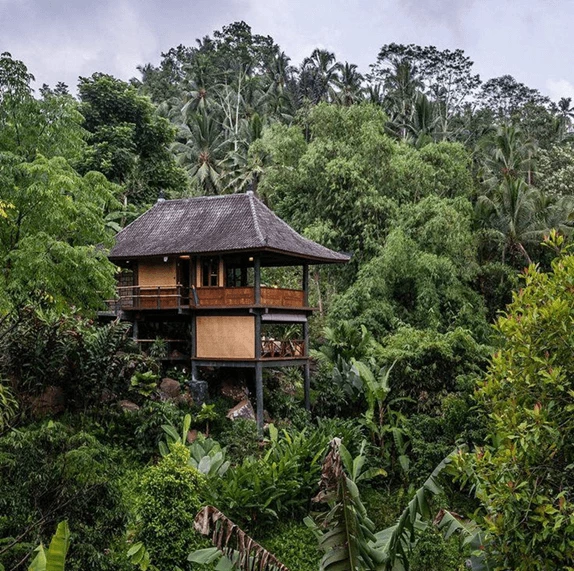
Support Active Conservation: Seek out and book experiences with operators who are part of the solution. This could be a diving trip with Ocean Gardener, a trek in West Bali National Park where fees fund protection, or a stay at an eco-lodge like Bambu Indah that pioneers sustainable architecture and waste management.
Minimize Plastic and Waste: Come prepared with a reusable water bottle (Bali has many refill stations), shopping bag, and food container. Say no to single-use plastic straws and cups. Properly dispose of or, better yet, carry out your own waste, especially from remote natural sites.
Respect Sacred Spaces: Understand that many nature inspired places are also temples. Dress modestly when required, speak quietly, and follow local guidelines. At water temples like Tirta Empul, learn the proper ritual before participating.
Use Your Economic Voice: Support restaurants that source locally ("farm-to-table"), buy handicrafts directly from artisans' cooperatives, and pay fair prices for guides and services. This ensures that the financial benefits of tourism are distributed and create an incentive for preservation.
Educate Yourself: Before visiting, read up on local challenges. The research and reports from bodies like the Bali Tourism Board's Sustainability Division or NGOs like Sungai Watch and Greeneration Foundation offer critical insights into the island’s environmental issues, empowering you to make informed choices.
Conclusion: Bali as a Living Classroom for the World
Exploring the nature-based destinations of Bali is ultimately a journey into a living classroom. It teaches us about the delicate balance of ecosystems, the wisdom of traditional cultures that live in symbiosis with their environment, and the urgent, modern need to protect these places. The island’s verdant highlands, its wild coasts, its life-giving rivers, and its sculpted terraces are not just backdrops for a holiday; they are active participants in the story, offering lessons in resilience, harmony, and beauty.
Bali’s future as a nature destination depends on a collective pact between the island and its guests. It asks us to shift from being mere consumers of scenery to being mindful students and grateful custodians. By embracing the principles of true eco tourism and committing to sustainable travel in every choice we make—from the waterfall we visit to the water bottle we carry—we do more than just preserve Bali’s beauty for the next traveler. We honor the deep cultural spirit of Tri Hita Karana and participate in the global mission to keep our planet wild, green, and sacred. In doing so, we ensure that the wild, green heart of Bali continues to beat strongly, not just as a memory, but as a thriving, enduring reality for generations to come. The path is there, winding through the rice fields and the jungle, waiting to be walked with care and consciousness.
Related Tags :
nature destination bali, eco tourism bali, green destination bali, nature inspired places bali, sustainable travel bali